
The global Ready-to-Drink (RTD) and hard seltzer market continues to demand packaging that communicates lightness, premium quality, and modern refreshment. While the retail shelf presents a clean, effortless aesthetic—typically featuring sleek or slim profile aluminum containers—the procurement process behind those cans requires rigorous technical alignment.
Choosing the ideal container for a hard seltzer or low-alcohol program goes beyond following a generic slim-can trend. Beverage brand owners, co-packers, and procurement directors must evaluate alcohol regulatory class, serving size, flavor count, artwork stability, and supply chain lead times.
At ERJIN PACK, we support global beverage innovators in navigating these variables, supplying a complete spectrum of two-piece wholesale aluminum cans, compatible lids, and advanced metal printing solutions engineered for automated filling lines.
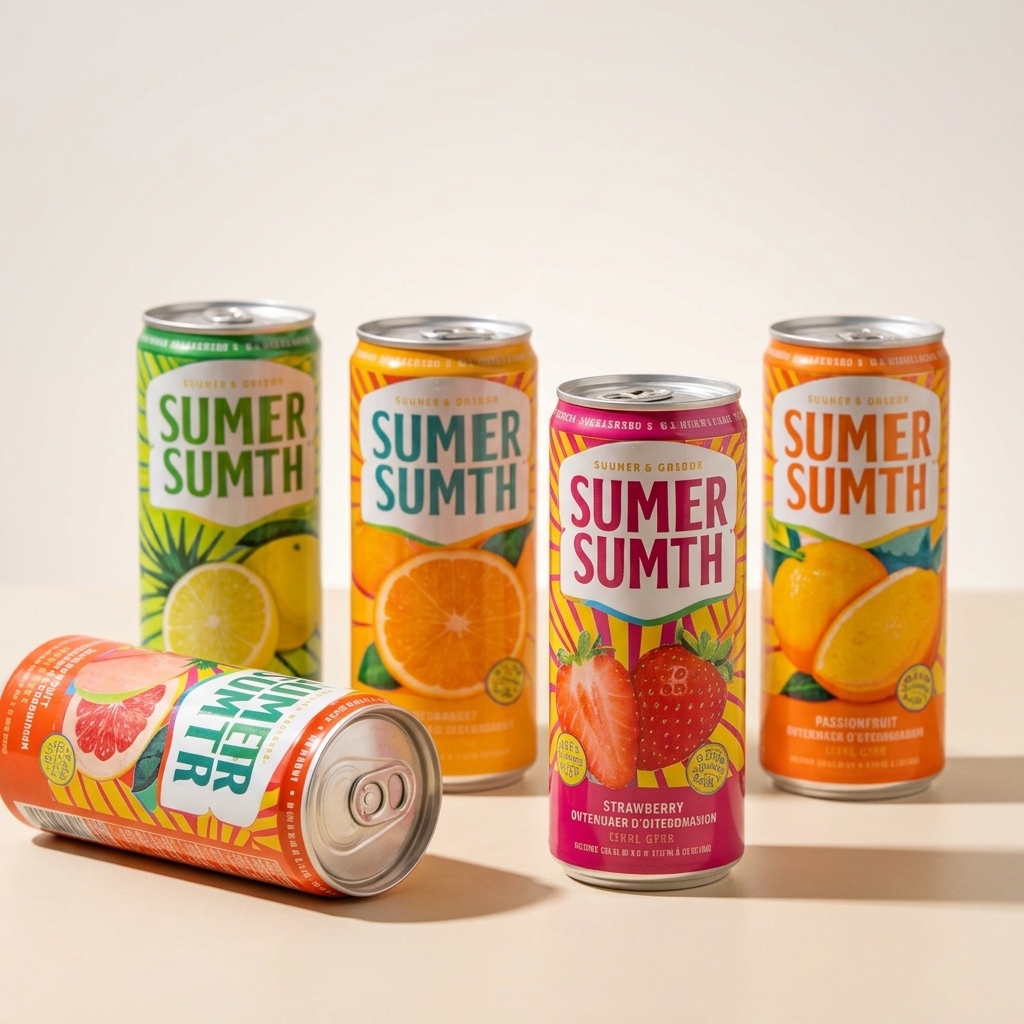
beverage can erjinpack
I. Regulatory and Label Planning: The First Gate Before Printing
Unlike traditional non-alcoholic carbonated soft drinks, hard seltzers occupy complex regulatory categories. Whether derived from a malt base, fermented sugar, neutral spirits, or wine, your formula’s classification dictates mandatory labeling statements—including Alcohol by Volume (ABV), legal class/type language, health warnings, and allergen disclosures.
1. Copy Freeze vs. Decorated Inventory Risk
Approving can artwork before completing regulatory copy reviews is one of the most expensive mistakes a brand can make. A required change in class designation or a shift in nutritional disclosure will instantly render pre-printed decorated inventory obsolete.
-
Procurement Rule: Always treat regulatory copy as a rigid manufacturing input. Freeze approved label text across all flavor variants before releasing files to pre-press lithography.
2. Managing Multi-Flavor SKU Architectures
Hard seltzer lines frequently introduce multi-flavor variety packs (e.g., lime, black cherry, mango, passion fruit). While the front-of-can branding remains consistent, the legal statement of composition, ingredient panel, and barcode vary by SKU.
-
The Master Design Trap: Ensure that your master artwork grid accounts for the single longest ingredient list or regulatory statement within your product line. A design that looks perfect on a lime variant may lack the surface area required for a complex tropical botanical description.
II. Format Engineering: Selecting the Right Can Profile
Selecting the right physical format involves balancing consumer perception, shelf presence, and co-packer line compatibility. ERJIN PACK provides four distinct profile families tailored to global hard seltzer and RTD programs:
+----------------+----------------+--------------------------+---------------------------------+
| Format Family  | Common Volumes | Primary Consumer Cues   | Procurement Considerations      |
+----------------+----------------+--------------------------+---------------------------------+
| Slim Cans      | 250ml, 330ml   | Portability, Low-Calorie | Narrow print panel; needs line  |
|                |                | Functional, Premium      | seamer tool verification        |
+----------------+----------------+--------------------------+---------------------------------+
| Sleek Cans     | 330ml, 355ml   | Modern, Refreshing,      | Optimal balance of shelf style, |
|                | (12oz Sleek)   | High-Volume Variety Pack | volume, and graphic surface     |
+----------------+----------------+--------------------------+---------------------------------+
| Standard Cans  | 355ml, 473ml   | Value, Craft Beer Fit,   | High line speed compatibility;  |
|                | (16oz Cans)    | Convenience Channels     | lower per-unit container cost   |
+----------------+----------------+--------------------------+---------------------------------+
1. Slim Profiles (250ml / 330ml)
Slim cans offer strong visual differentiation, signaling health, portion control, and modern lifestyle branding. However, their reduced diameter decreases the available width for printing barcodes and nutrition panels. Before committing to slim inventory, verify that your co-packer has the appropriate handling parts and seaming chucks configured for slim body profiles.
2. Sleek Profiles (330ml / 355ml / 12oz Sleek)
Sleek formats have become the international benchmark for hard seltzers and RTD cocktails. They provide the refined, elongated appearance of a slim can while offering a larger volume capacity and a wider canvas for high-impact graphics.
3. Large Formats (473ml / 16oz / 500ml)
Larger capacities serve single-serve convenience channels, venue concessions, and value-focused promotions. Because larger liquid volumes carry higher carbonation pressures and transport weight, these containers require verified internal pressure limits and reinforced bottom domes.
III. Decoration Strategy: Balancing Artwork Stability and MOQs
The choice between pressure-sensitive labels, shrink sleeves, digital printing, and traditional dry-offset printing depends directly on artwork stability and volume projections.
[Flavor Maturity] ➔ [Uncertain / Pilot Launch] ➔ Choose Pressure-Sensitive Labels / Sleeves
                 ➔ [Proven High-Volume Core]  ➔ Choose 6-8 Color Offset Printed Cans (ERJIN PACK)
1. Flexible Decoration Routes for Early-Stage SKUs
For seasonal flavor trials, limited edition variety packs, or newly launched brands, flexibility is paramount.
-
Labels and Sleeves: Utilizing blank (bright) aluminum cans combined with high-barrier pressure-sensitive labels or shrink sleeves allows you to pivot legal copy or retire underperforming flavors with zero decorated metal waste.
2. Offset Lithography for Core High-Volume Flavors
Once a flavor profile achieves consistent repeat volume, moving to direct offset-printed cans delivers superior unit economics and a seamless, professional metallic aesthetic.
-
Color Accuracy on Metal: Color rendering on raw aluminum behaves differently than on paper or digital proofs. At ERJIN PACK, our production teams execute precise color matching using high-speed, 6-to-8 color rotary presses, applying glossy, matte, or tactile finishes to elevate brand positioning.
IV. Sourcing Best Practices: Streamlining Your RFQ
To accelerate lead times and obtain accurate factory-direct quotations, procurement managers should submit a comprehensive project brief rather than asking for isolated container quotes.
Essential Information for a Hard Seltzer RFQ:
-
Can Dimensions & Profiles: Specify exact volume (e.g., 355ml Sleek) and neck diameter requirements.
-
Beverage Formula Attributes: Detail ABV, carbonation levels ($v/v$), pH levels, and any aggressive flavor compounds that require specialized internal linings (e.g., BPANI or high-grade Epoxy liners).
-
Closure (Lid) Specifications: Define lid style (e.g., 202 CDL, 202 B64, or easy-open ends) and tab color preferences.
-
Decoration Method & Artwork Readiness: Indicate whether you require bright blank cans, sleeved cans, or direct offset printing, along with the number of active SKUs.
-
Logistics & Packaging Setup: State your desired packing configurations, palletization standards, and target port of delivery for export shipment.
The ERJIN PACK Advantage
As a turnkey beverage packaging manufacturer backed by 12 strategic factories and 8 advanced workshops, ERJIN PACK provides end-to-end supply chain security for hard seltzer, RTD, and craft beverage producers globally.
From dimensional validation and internal liner compatibility testing to high-definition dry-offset printing and export-grade pallet packaging, our technical team eliminates supply risks—ensuring your cans transition seamlessly from our production line to your filling machinery.
Post time: Jul-30-2026


